
Implement
Review Vendor Eligibility
- Public & Private
- FSMC & Self-Operated
Review Key Features of Vendor Eligibility
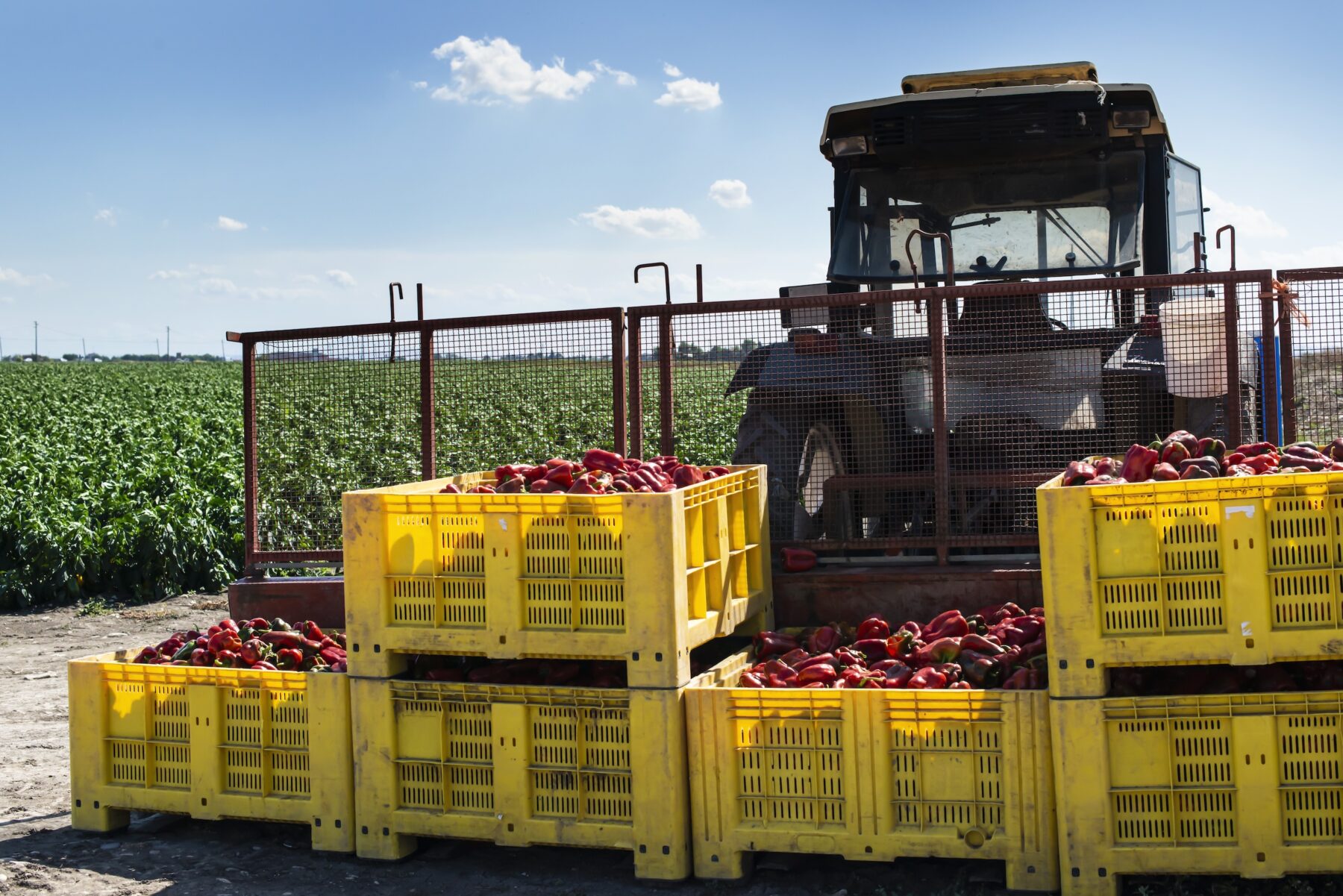
As explained in more detail below, vendor eligibility requirements vary based on who is conducting the approval: the institution itself (under a self-operated model); a food service management company; or a food aggregator or distributor. While specific requirements can differ, most approval processes include three core elements: (1) food safety standards, (2) insurance requirements, and (3) reviewing other assurances of the vendor’s practices and characteristics. Vendors must understand how to meet each of these requirements to complete a successful vendor eligibility application. An institution evaluating prospective vendors must ensure these key features are met to confirm that the vendor can support its procurement goals.
Note that vendor eligibility requirements can also appear in formal solicitations as specifications and technical requirements.
Food Safety
Food safety is central to vendor certification because it protects consumer health. Vendors—including producers, aggregators, and distributors—selling to management companies, institutions, distributors, or aggregators [1] must meet local, state, and federal laws, including FSMA and GAP/GHP audits, which prevent contamination and ensure safe food handling. [2] Institutions and distributors may also add their own requirements. Understanding these standards and how they affect values-based procurement is essential.
For small and mid-size farmers, the cost and complexity of certification can be a major barrier to entering institutional markets, despite their ability to maintain safe practices. Producers may have an easier time selling to an aggregator or distributor rather than directly to an institution, because aggregators and distributors sometimes tailor their food safety requirements to be easier for smaller producers new to institutional markets to meet.
Institutions aiming to expand values-based purchasing must balance rigorous food safety standards with providing market access for values-based vendors.
This section outlines key food safety vendor requirements and certifications.
Food Safety Modernization Act (FSMA)
FSMA is a federal food safety law that provides guidelines and standards for food producers, distributors, and aggregators to prevent foodborne illnesses. [3] It authorizes the U.S. Food & Drug Administration (FDA) to set regulatory requirements for farms and food facilities and to issue mandatory recalls when necessary. [4] Vendors must comply with FSMA regardless of any additional certifications required by a purchasing institution, management company, or distributor.
In 2016, the FDA finalized the Produce Safety Rule under FSMA, which applies to farmers and producers and sets minimum standards for producing, harvesting, and handling produce to prevent foodborne illnesses. It sets minimum standards in six areas: agricultural water; biological soil amendments; sprouts; domesticated and wild animals; worker training, health, and hygiene; and equipment, tools, and buildings. [5]
Farms fall into one of three categories:
1. Full requirements – Farms that exceed exemption thresholds must comply with all applicable provisions of the Produce Safety Rule.
2. Modified exemption – Farms with less than $500,000 in average annual food sales that sell primarily to qualified end users (such as local consumers or restaurants within the same state or within 275 miles) must meet limited requirements, including certain labeling and recordkeeping provisions.
3. Full exemption – Farms with less than $25,000 in average annual produce sales (adjusted for inflation) over the previous three years are exempt. Certain products are also exempt, including food grains, produce rarely consumed raw, and items for personal or on-farm use. [6]
Aggregators and distributors are typically covered by FSMA’s Preventive Controls for Human Food Rule. This rule applies to facilities that manufacture, process, pack, or hold food for human consumption. Covered facilities must register with the FDA and implement good manufacturing practices, employee training, recordkeeping, and a Hazard Analysis and Risk-Based Preventive Controls (HARPC) food safety plan, unless they qualify for an exemption. Facilities with less than $500,000 in food sales (primarily to qualified end users) or less than $1 million in total sales may qualify for modified requirements. [7]
Unless a vendor qualifies for a full or partial exemption, compliance with FSMA’s safety and reporting requirements is mandatory. For institutions and values-based vendors alike, understanding when and how FSMA applies is essential.
GAP/GHP
The U.S. Department of Agriculture’s voluntary Good Agricultural Practices (GAP) and Good Handling Practices (GHP) audit verification program helps produce farmers, packers, and distributors meet food safety requirements through a standardized audit process. [8] Unlike FSMA, GAP and GHP are voluntary certifications. [9]
GAP outlines recommended food safety practices for growing and harvesting produce. A GAP audit verifies that fruits and vegetables are produced and harvested in ways that minimize microbial food safety risks. [10]
GHP focuses on post-harvest activities. A GHP audit verifies that produce is packed, handled, stored, transported, and processed using practices that reduce microbial risks. [11]
To obtain GAP or GHP certification, a vendor must:
- Determine the appropriate audit type.
- Submit an audit request to the nearest USDA office.
- Pay audit fees. [12]
To pass, the vendor must score at least 80% in each applicable audit section and complete a successful unannounced follow-up visit within one year. [13] Certification is valid for one year. Farms and facilities must have a written food safety plan in place before being audited. [14] The certification process does not vary by operation size, and vendors may choose to audit one or multiple crops at a time.
Alternatives to GAP and GHP
GAP and GHP audits can be expensive, creating barriers for small and mid-size vendors. Producers that cannot access traditional GAP/GHP certification can demonstrate their commitment to food safety through alternative programs such as GroupGAP and Harmonized GAP. [15]
GroupGAP allows farmers, food hubs, and marketing organizations to pursue certification collectively. By sharing audit and administrative costs, participants make certification more affordable. [16] The model also encourages collaboration and peer support. However, it requires strong coordination: each member must meet program standards and undergo audits, and one member’s noncompliance can jeopardize the certification of the entire group.
Harmonized GAP aligns GAP and GHP audit standards with the FSMA Produce Safety Rule. By integrating these requirements, it allows producers to demonstrate compliance with both GAP and FSMA through a single audit, potentially reducing duplication and administrative burden. [17] However, for smaller producers not subject to the full Produce Safety Rule requirements, Harmonized GAP may introduce additional technical requirements that exceed what is legally required under FSMA.
Other Ways to Demonstrate Food Safety Practices
Outside of GAP/GHP, producers may adopt other food safety practices, such as developing on-farm food safety plans, participating in local or state food safety initiatives,[18] attending food safety training workshops,[19] maintaining detailed records and documentation, or obtaining other third-party certifications. [20]
Creating a comprehensive food safety plan tailored to the operation, participating in state or regional programs, or securing alternative third-party certification can demonstrate a strong commitment to food safety. Additional training—particularly programs designed for small and mid-sized producers—along with thorough documentation of farming practices, further supports consistent implementation and accountability.
Values-based vendors have multiple ways to communicate their commitment to food safety to prospective buyers. Institutions should recognize these approaches and design vendor eligibility requirements that both ensure compliance with food safety standards and account for the financial and administrative barriers that may limit some vendors’ ability to obtain formal certifications.
Insurance
Insurance is an important component of vendor certification because it protects both institutions and vendors in the event of a food safety incident. Small and mid-sized vendors selling to distributors, management companies, or directly to institutions are typically required to carry certain types of coverage.
Most buyers require product liability insurance, which may be obtained through an individual policy or a group plan. In addition, many states impose their own insurance requirements for vendors.
This section outlines common insurance requirements.
Product Liability Insurance
Product liability insurance is often required for vendors selling to school districts, grocery stores, wholesale distributors, retailers, farmers markets, and CSA programs. While sometimes mandated by law, coverage requirements are more commonly set by buyers, who typically specify a minimum amount of coverage. These thresholds may be adjusted for small or mid-sized vendors.[21]
For example, large food service management companies such as Sodexo, Parkhurst Dining, and Bon Appétit Management Company commonly require vendors to carry at least $5 million in product liability coverage. However, Bon Appétit’s Farm to Fork program, which focuses on sourcing from local farmers, sets a lower minimum requirement of $1 million in product liability coverage.
To help small and mid-sized vendors meet these requirements, some organizations offer group-based insurance models. Participating vendors agree to follow specified food safety standards and are then covered under a shared policy—often providing between $4 million and $6 million in aggregate coverage.
State Insurance Requirements
States have the authority to require insurance policies for vendors engaged in business within their jurisdiction. For example, Georgia requires all vendors operating in the state to comply with the recommended minimum insurance plans for the procurement of goods and ancillary services.[22] Institutions, management companies, aggregators, and distributors should be aware of any applicable state requirements when designing their vendor approval process.
Other Assurances of Practices and Characteristics
When vendors claim specific characteristics—such as minority-owned, women-owned, small business, local, or humane practices—they may be required to provide verification. Proof typically involves obtaining certification from a recognized third-party organization, such as a diversity business certification, humane certification, or local producer designation.
The descriptions below outline common vendor certifications and their requirements.
Diversity Vendor Certification
Vendors claiming diversity status are often encouraged or required to obtain third-party diversity certification. Requirements vary by certifying organization but typically include a fee ($300–$2,500), a verification period (about 90 days), and documentation of the claimed diversity ownership status. Commonly accepted certifiers include:
Humane Certification
Some management companies, institutions, aggregators, and distributors require third-party certification when the vendor approval process specifically deals with farm animals in food production. A humane certification indicates the humane treatment of farm animals, including their diet and use of antibiotics, helping buyers assess the quality of the food. It also helps small farmers differentiate themselves as values-aligned farms.
Commonly accepted certifiers include:
Small Business Certification
Many government programs offer certifications for small businesses. These programs aim to create opportunities for small and emerging businesses and often overlap with diversity programs. At the federal level, the Small Business Administration offers third-party certifications for small businesses, such as the Women Owned Small Business (WOSB) Program, the HUBZone Program, and the 8(a) Business Development Program. [33] These certifications are required for eligibility for certain federal contracts, and similar programs exist on the state level.
Certification Programs for Local Producers
Purchasers sometimes require vendors to be “local,” though definitions of “local” can vary. Institutions, management companies, distributors, and state or local governments may each set their own standards based on operational goals, supply chain considerations, or local policy. For example, Vermont’s Act 129 defines “local” food to protect the state’s agricultural producers, and only food meeting this definition may use a local label. [34] Similarly, South Carolina offers a certification program for in-state producers and manufacturers, allowing certified products to bear a label indicating them as such. [35]
To show that a vendor satisfies applicable “local” requirements, vendor approval processes may require that the vendor provide information about their location and where their products are grown, packed, or processed.
Footnotes
[1] As discussed more below, aggregators and distributors play a unique role in the food system, sometimes acting as food buyers and at other times as food sellers. Accordingly, they are sometimes the buying entity approving the vendor, and at other times the vendor seeking approval from a buying entity.
[2] Pace University Food and Beverage Law Clinic, Farm to School Legal Toolkit: A Legal Guide for New York Farmers, https://www.pace.edu/sites/default/files/2024-08/law-farm-to-school-lega-toolkit-fblc.pdf.
[3] U.S. Food & Drug Administration, Food Safety Modernization Act, https://www.fda.gov/food/guidance-regulation-food-and-dietary-supplements/food-safety-modernization-act-fsma.
[4] Pace University Food and Beverage Law Clinic, Farm to School Legal Toolkit: A Legal Guide for New York Farmers, 9, https://www.pace.edu/sites/default/files/2024-08/law-farm-to-school-lega-toolkit-fblc.pdf.
[5] U.S. Food & Drug Administration, FMSA Final Rule on Produce Safety: Standards for the Growing, Harvesting, Packing, and Holding of Produce for Human Consumption, https://www.fda.gov/food/food-safety-modernization-act-fsma/fsma-final-rule-produce-safety.
[6] U.S. Food & Drug Administration, FMSA Final Rule on Produce Safety: Standards for the Growing, Harvesting, Packing, and Holding of Produce for Human Consumption, https://www.fda.gov/food/food-safety-modernization-act-fsma/fsma-final-rule-produce-safety; Pace University Food and Beverage Law Clinic, Farm to School Legal Toolkit: A Legal Guide for New York Farmers, 10–11, https://www.pace.edu/sites/default/files/2024-08/law-farm-to-school-lega-toolkit-fblc.pdf.
[7] U.S. Food & Drug Administration, FSMA Final Rule for Preventive Controls for Human Food: Current Good Manufacturing Practice, Hazard Analysis, and Risk-Based Preventive Controls for Human Food (August 7, 2023), https://www.fda.gov/food/food-safety-modernization-act-fsma/fsma-final-rule-preventive-controls-human-food; Community Alliance with Family Farmers, Demystifying the Food Safety Modernization Act’s Preventative Controls Rule: Supplier Verification Requirements, 4 (2021), https://caff.org/pc-rule-supplier-verification-guide/; Center for Agriculture & Food Systems – Vermont Law & Graduate School, Food Hub Safety Compliance Guide, 4 (2023), https://www.vermontlaw.edu/wp-content/uploads/2024/07/guide-for-food-hubs-on-food-safety-compliance.pdf.
[8] Farmers Market Coalition, Filling the Food Safety GAPs for Small Farms, https://farmersmarketcoalition.org/tmb_spring09_food-safety-gaps/.
[9] U.S. Department of Agriculture, Good Agricultural Practices (GAP) Audits, https://www.ams.usda.gov/services/auditing/gap-ghp.
[10] U.S. Department of Agriculture, Good Agricultural Practices (GAP) Audits, https://www.ams.usda.gov/services/auditing/gap-ghp.
[11] State of Michigan, USDA, AMS, Fruit and Vegetable Program Good Agricultural Practices & Good Handling Practices (GAP & GHP) Audit Services, https://www.michigan.gov/mdard/plant-pest/fruit-veg.
[12] U.S. Department of Agriculture, Good Agricultural Practices (GAP) Audits, https://www.ams.usda.gov/services/auditing/gap-ghp.
[13]National Sustainable Agriculture Coalition, Good Agricultural Practices and Good Handling Practices Audit Verification Program, https://sustainableagriculture.net/publications/grassrootsguide/food-safety/good-agricultural-practices-and-good-handling-practices-audit-verification-program/.
[14] Elena Rogers, How Do GAP Certifications Compare to FSMA’s Produce Safety Rule, NC State Extension, https://ncfreshproducesafety.ces.ncsu.edu/how-do-gap-certifications-compare-to-fsmas-produce-safety-rule/; Annalisa Hultberg and Michele Schermann, Preparing for a USDA GAP Food Safety Audit, Minnesota Grown, https://minnesotagrown.com/preparing-usda-gap-food-safety-audit/.
[15] U.S. Department of Agriculture, GroupGAP Food Safety Program, https://www.ams.usda.gov/services/auditing/groupgap; U.S. Department of Agriculture, Harmonized GAP, https://www.ams.usda.gov/services/auditing/gap-ghp/harmonized.
[16] Chicago Food Policy Action Council, Requirements for Institutional Markets, A Guide for Growers & Food Businesses: Selling to Your Community’s Institutions, https://www.chicagofoodpolicy.com/producer-manual-requirements.
[17] U.S. Department of Agriculture, USDA Aligns Harmonized GAP Program with FDA Food Safety Rule, 3 (June 5, 2018).
[18] National Farmers Union, Local Food Safety Collaborative, https://nfu.org/local-food-safety-collaborative/.
[19] The National Sustainable Agriculture Coalition provides a list of organizations offering these trainings as well as other resources for farmers. See National Sustainable Agriculture Coalition, Food Safety Training Resources, https://sustainableagriculture.net/fsma/learn-about-the-issues/food-safety-training/.
[20] Chicago Food Policy Action Council, Requirements for Institutional Markets, A Guide for Growers & Food Businesses: Selling to Your Community’s Institutions, https://www.chicagofoodpolicy.com/producer-manual-requirements.
[21] Bon Appétit Management Co., Farm to Fork Criteria, https://www.bamco.com/sourcing/farm-to-fork-criteria/.
[22] Georgia Department of Administrative Services, Insurance and Bonding Requirements, 6 (Nov. 2015), https://doas.ga.gov/assets/State%20Purchasing/Stage%203%20Documents/SPD-SP048InsuranceandBondingGuidelines.docx.
[23] National Minority Supplier Development Council, MBE Certification, https://nmsdc.org/mbe-certification-2/.
[24] Women’s Business Enterprise National Council, Certification, https://www.wbenc.org/certification/.
[25] US Pan Asian American Chamber of Commerce Education Foundation, Certification, https://uspaacc.com/certification/asian-minority-businesses.
[26] Disability:IN, Get Certified, https://disabilityin.org/what-we-do/supplier-diversity/get-certified/.
[27] National Veteran Business Development Council, Certification, https://nvbdc.org/certification-landing-page/.
[28] National LGBT Chamber of Commerce, LGBTBE Certification, https://nglcc.org/lgbtbe-certification/.
[29] Certified Humane, Overview, https://certifiedhumane.org/overview/.
[30] A Greener World, Certified Animal Welfare Approved by AGW, https://agreenerworld.org/certifications/animal-welfare-approved/.
[31] Global Animal Partnership, Our Standards, https://globalanimalpartnership.org/standards/.
[32] Food Alliance, The Certification Process, https://foodalliance.org/certification-process.
[33] Small Business Administration, Contracting Assistance Programs, https://www.sba.gov/federal-contracting/contracting-assistance-programs.
[34] Julia Scheier, Act 129: Local Definition, State of Vermont Agency of Agriculture, Food, and Markets, https://agriculture.vermont.gov/development/act-129-local-definition.
[35] About Certified SC, Certified South Carolina, https://certifiedsc.com/programs/.