Prepare
Establish Food Purchasing Guidelines
- Public & Private
- FSMC & Self-Operated
Introduction

Food purchasing guidelines articulate and document an institution’s values, standards, and practices for all stakeholders to reference, maintain, and enforce. By dedicating time to developing food purchasing guidelines and securing approval from the necessary stakeholders, an institution creates a clear foundation needed to facilitate values-based purchasing. On this page, you can:
- Learn how to draft food purchasing guidelines that reflect your institution’s values, standards, and practices.
- Determine who should be involved in writing and approving food purchasing guidelines.
- See model recommendations and language to include in food purchasing guidelines.
Keep In Mind:
As with all purchasing, decision-making frameworks depend on budget and available funding. Accordingly, the food purchasing guidelines—and values embodied within the requirements and preferences—should also align with decisions made in the institution’s assessment of available funding.
What are the Values in Values-Based Procurement?
Identifying which values are important to an institution informs how the institution’s purchasing guidelines are crafted. The values listed below serve as examples for values that may be important to an institution and can be reflected in food purchasing guidelines. This toolkit invites every institution to determine its institutional values.
- Animal Welfare
- Climate & Sustainability
- Diversity, Equity, and Inclusion (DEI)
- Environmental, Social, Governance (ESG) & Corporate Social Responsibility (CSR)
- Food Safety
- Health & Nutrition
- Land Conservation & Preservation
- Local Economic Investment
- Resilience
- Workers’ Rights & Welfare
- Other
Who Participates in Creating Food Purchasing Guidelines?
As an institution’s food purchasing guidelines introduce new or adapted requirements for food procurement contracts. Key internal stakeholders, decision makers, and officials should be included in the development and approval of these guidelines. Cross-departmental requirements and priorities can be reflected in these guidelines, and negotiating across diverse perspectives can refine guidelines to achieve shared goals.
Departments and titles may vary based on institution type, but this list of roles provides a general overview of key personnel to include in setting and approving food purchasing guidelines.
Examples of personnel to include in guidelines discussion:
- Budget/Finance Office/Department
- Dining/Food Service (including chefs, nutrition officers, food service managers, etc.)
- DEI Office/Manager
- Sustainability Office
- Resiliency Office/Department
- Community Engagement Office/Department
- HR (if involved in employee satisfaction/retention)
- Legal Department
- Operations and Logistics
- Faculty (from relevant departments)
- Students
- Employees
Examples of personnel to include in approving food purchasing guidelines
- CEO
- CFO
- President
- Dean/Provost
- Superintendent
- Chief Sustainability Officer
- Board of Directors
- Dining/Food Service Director
- Procurement Director
- General Counsel
Guiding Activities

Identify What Products are Sought by the Institution
Institutions should first assess what products they seek to purchase and in what quality and amounts. This assessment will inform the scope and flexibility required for food purchasing guidelines.
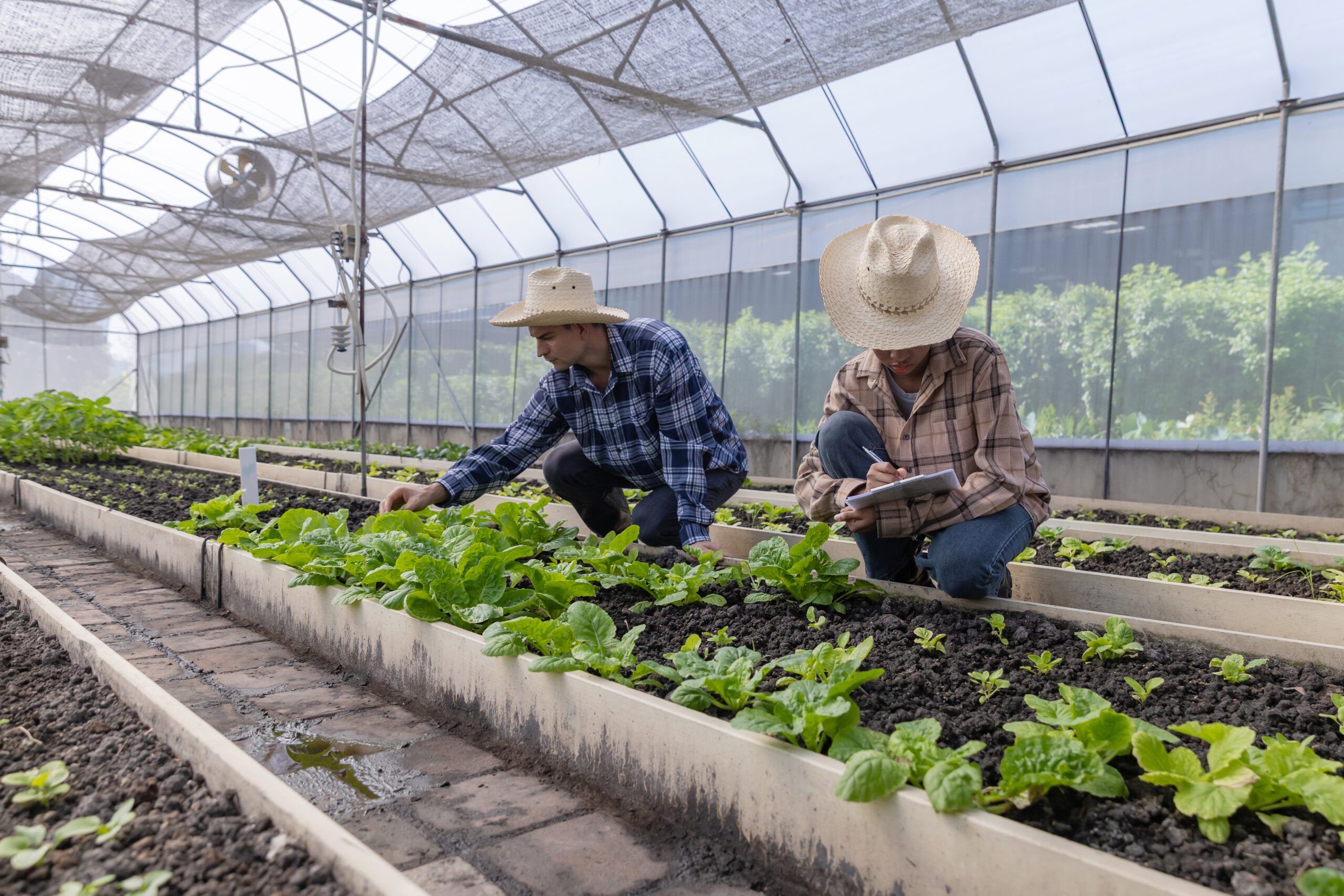
Identify Who is Growing or Producing the Products
Institutions should also consider how they can advance their values by purchasing from producers and vendors who align with those values.

Identify Where the Product is Grown or Produced
Institutions should define what “local” means for their purchasing requirements. The best practice for crafting this provision in the food purchasing guidelines requires that the term is defined in a manner that is effective, trackable, and feasible.

Identify How the Product is Grown or Produced
Institutions should define what food production practices and certifications match the institution’s values and its food purchasing guidelines.