Prepare
Establish Food Purchasing Guidelines
- Public & Private
- FSMC & Self-Operated
Institution Specific Considerations
Geography-Dependent Constraints
An institution’s location and climate determine the details of values-based food purchasing guidelines.
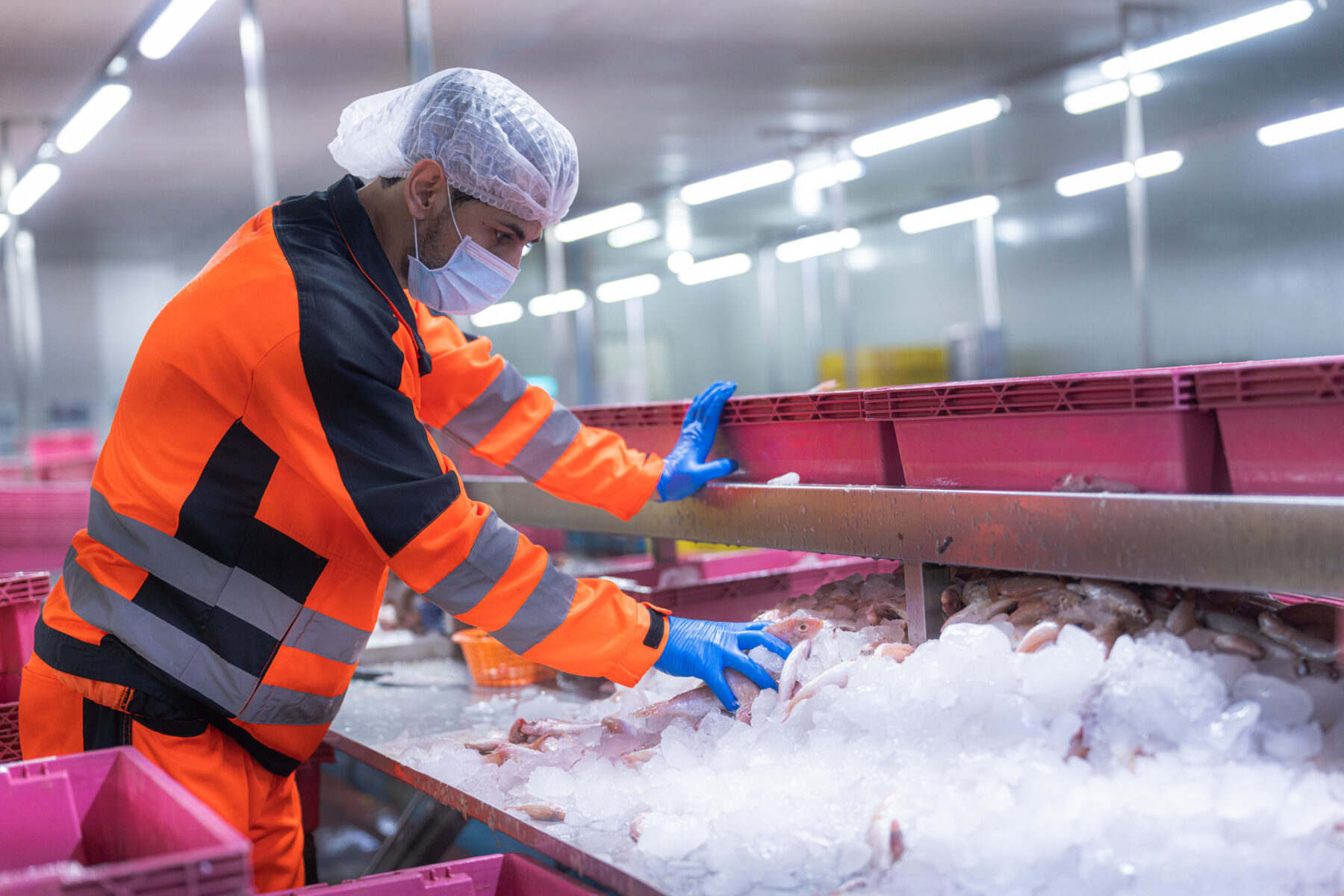
Proximity to oceans or lakes can impact the feasibility of purchasing local fish or seafood. An institution located further from a coast may increase the distance that qualifies as local, allow for farm-raised seafood, and/or rely on specific certifications for seafood to ensure purchases adhere to its values (e.g., animal welfare; climate and sustainability; workers’ rights and welfare).
Location in northern climates versus southern climates will impact produce availability due to growing season length as well as the diversity of produce that may be available within a local range. For example, Emory University Dining does not serve berries in its dining facilities when they are not in season in the region.
Location within a large metropolitan area versus a rural region will also impact an institution’s definition of local. A metropolitan location will likely require an increased range in the institution’s definition of local compared to an institution in closer proximity to agricultural land.
The guidance and language provided in the preceding sections are designed to provide recommendations with the flexibility for institutions to select and create the guidelines that work best for their purposes and adhere to their values.
Public K-12 & Government Institutions Procurement Restrictions
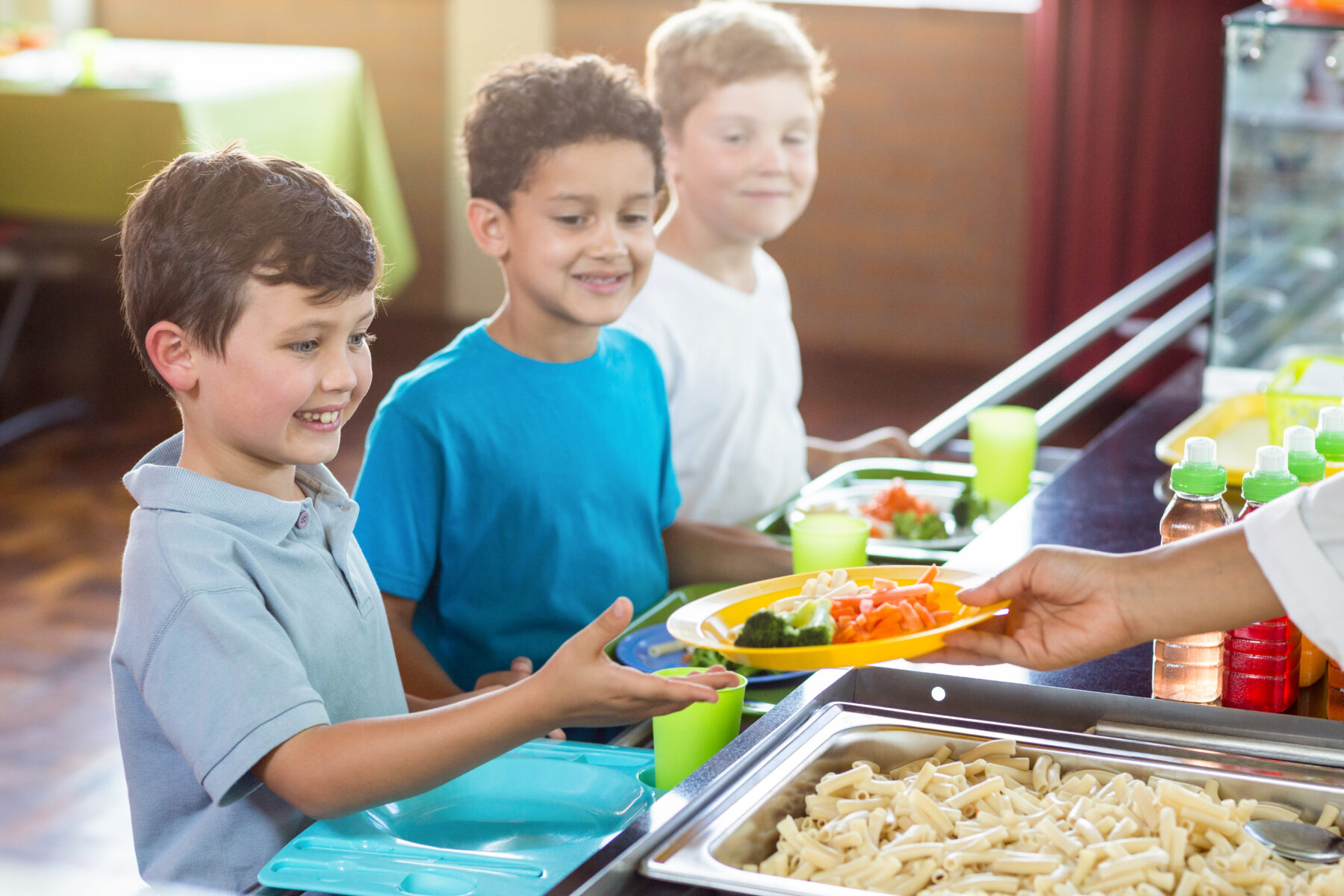
Governmental institutions—including public schools, hospitals or prisons—are subject to additional requirements in the procurement process. When developing food purchasing guidelines, be aware of any state or commonly used definitions of “local” and any certifications and practices that are required of potential producers to qualify as a vendor for your institution. These requirements vary from state to state.
Some examples:
- USDA: The USDA’s “Food Buying Guide for Child Nutrition Programs” provides extensive guidance for school programs at the outset of establishing food purchasing guidelines.[20]
- Georgia Local Food Procurement Guide for Child Nutrition Programs: This guide sets out different definitions for “local”, depending on what is feasible for the school district. It provides a sample checklist for considerations when visiting a potential vendor farm, including post-harvest production practices, facilities, worker health and hygiene, and transportation and delivery capabilities. [21]
- Oregon Legal Requirements for Purchasing Food from Farms: This reference provides the certifications and processes required for local food in their K-12 schools. The guide references specific food groups including dairy, eggs, and fresh fruits and vegetables—outlining what necessary steps need to be taken before they can be served in schools.[22]
Government institutions also have a different process for selecting food service management companies, food distributors, and vendors. See Prepare: Learn Institutional Procurement Basics for more details about the bidding process required for government institutions.
Hospital Requirements for Health and Nutrition
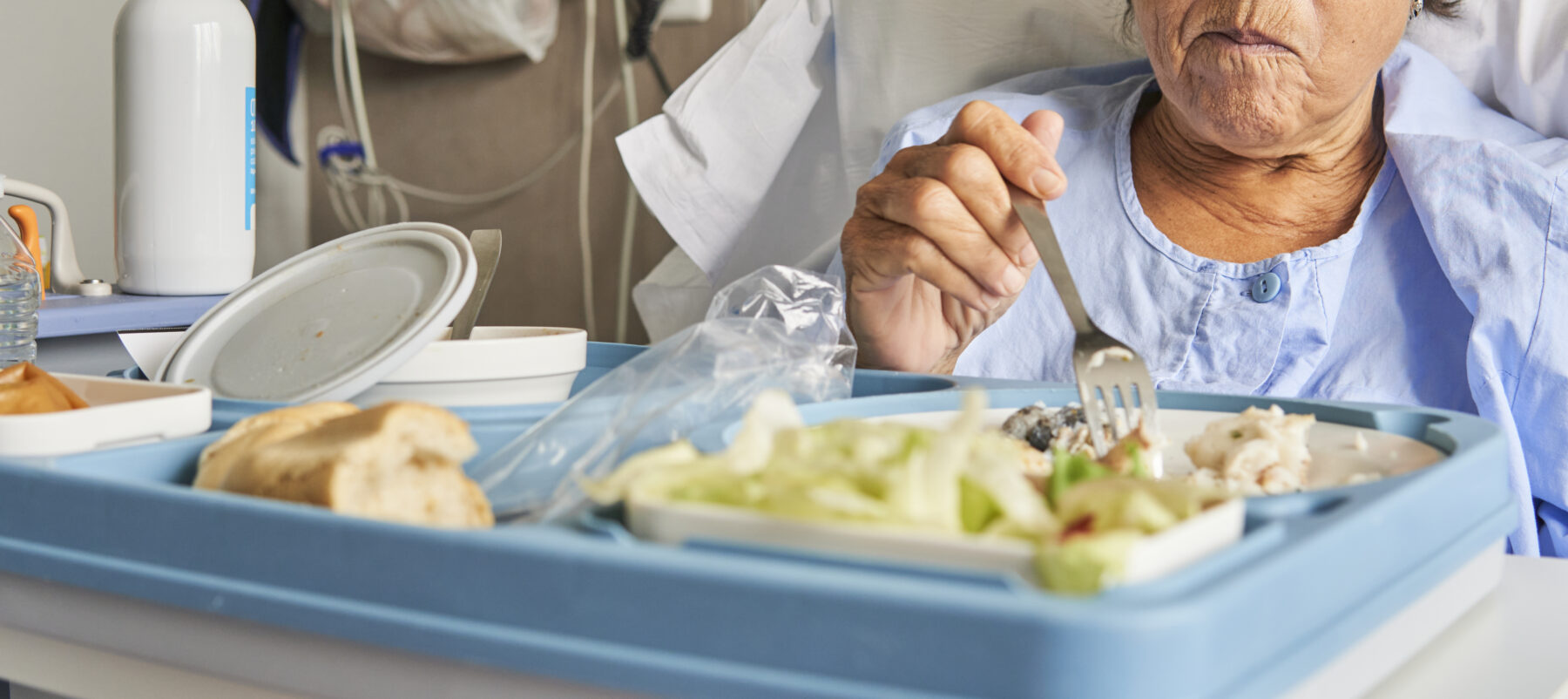
Hospital food procurement can be complex due to the nature and requirements of medical services. Healthcare Without Harm, an international organization dedicated to transforming health care worldwide with a focus on environmental health and justice, provides a range of information and resources helpful to hospitals and other healthcare institutions interested in values-based procurement. Drawing from Healthcare Without Harm and other resources, here are a few specific considerations relevant to development of food purchasing guidelines:
- Medical Diet-Safe Food: Hospitals are focused on patient-centered care, and they must accommodate diets to account for all patient conditions. For example, hospitals must have food options that accommodate individuals with specific diseases and their nutrient or food sensitivity requirements.. To provide allergen-safe foods, hospitals must implement best practices preventing cross-contamination and are required to source foods from suppliers that implement such practices.
- Cultural Considerations: Hospitals are legally required to give the same level of care to all individuals without discrimination regardless of a patient’s religion, culture, or ethnicity. Therefore, hospitals should be able to provide food that accommodates patients’ morals, cultures, and religious beliefs.
- Plant-Forward Purchasing: In the United States, four of the leading causes of death are directly linked to food. As centers for healing and well-being, hospitals may have particular interest in expanding nutritious, plant-forward menus. Plant-forward is “a style of cooking and eating that emphasizes and celebrates, but is not limited to, plant-based foods—including fruits and vegetables; whole grains; beans, other legumes, and soy foods; nuts and seeds; plant oils; and herbs and spices—and that reflects evidence-based principles of health and sustainability.”[23]
- Working with Group Purchasing Organizations: Hospitals are often part of group purchasing organizations (GPOs), which are large, contracted buying groups. Hospitals may have to buy a large percentage of their food through distributors from their GPO. This may create significant challenges when trying to purchase local and sustainable food. At the stage of developing food purchasing guidelines, hospitals should be in conversation with its GPO when defining terms and standards to ensure feasibility. Hospitals may also consider collaborating with other GPO members to build cohesion and a coalition to influence GPO practices to include values-based purchasing.
Correctional Facilities

Correctional facilities are often constrained by tight budgets for food procurement. However, “because correctional facilities are often located in rural and agricultural areas, fostering linkages between prisons and local growers can offer many advantages – for example, increased access to healthy food for incarcerated people, access to expanded markets for local growers, and economic multiplier effects for local communities.”[24] Improving food quality may benefit staff and incarcerated people’s morale, as well as improve health of incarcerated people and lower health care costs. Values-based food purchasing can apply to prison cafeteria food as well as supplemental food options, such as canteen or commissary.
The nonprofit SPUR, along with the Center for Good Food Purchasing, published Best Practices and Resources for Values-Based Procurement in Corrections, recommending the following practices:
- Align purchasing shifts with municipal or county-level priorities such as a good food purchasing policy or climate-smart purchasing ordinance.
- Consider institution-specific local or sustainability purchasing goals as a way of engaging leadership in values-based procurement.
- Consider implementing a harvest-of-the-month menu item, featuring one local item per month.
- Include resident populations in menu design and taste tests.
- Regularly survey residents for feedback regarding the quality and quantity of food served.
- Dedicate staff time to engaging in cross-sector peer learning networks to identify additional actions.[25]
In recent years, several states, nonprofits, and innovative correctional facilities have sought to increase quality and sustainability of food in prison cafeterias. Below are examples of such requirements and initiatives:
- California law requires state agencies, including the California Department of Corrections and Rehabilitation, to “implement necessary practices to achieve a goal of ensuring that at least 60 percent of the agricultural food products that it purchases in a calendar year are grown or produced in the state by December 31, 2025.”[26]
- Salvation Farms helps Vermont farms find viable markets for their surplus produce. They have partnered with the Vermont Department of Corrections to determine the produce needs of Vermont’s correctional facilities and connect local farmers to the correctional facility market.[27]
- In many states, care packages may not be sent directly from friends or family to incarcerated people and must instead be sent through approved vendors. In nearly every state, care packages may not include fruit. The New York State Department of Corrections and Community Supervision works with a vendor that offers care packages including fresh, local produce. “The vendor reports high demand for fruits and vegetables, which account for an estimated 20% of sales.”[28]
Institutions Offering Educational or Experiential Programs Through Procurement
Institutional partnerships with farmers and producers may spur educational opportunities, including opportunities to work on or tour farms. Linking experiential offerings in food purchasing guidelines can embed a more value-driven procurement process. For example, the Georgia Organics Farm to School Alliance connects schools and local farmers to provide local foods in schools, increase “children’s understanding of agriculture, health, and nutrition through experiential education,” and use “school gardens to teach core subjects linked to state and national standards.”[29]
Institutions may also seek to own and operate their own farms or gardens. These hyperlocal farms or gardens can be operated in accordance with institutional values and can serve educational purposes. Institutions may hire local farmers to assist with development and can operate the farms using a combination of part- or full-time farmers and volunteers.
School gardens, community gardens, urban farms, and small-scale agriculture projects may be recognized as USDA “People’s Gardens,” if they register with the USDA and meet criteria “including benefitting the community, working collaboratively, incorporating conservation practices and educating the public.”[30] Registered gardens receive access to a USDA webinar series, access to a platform to share information across the network of registered People’s Gardens, and opportunities to highlight gardens, such as through the USDA website and the Office of Urban Agriculture and Innovative Production newsletter.
Hospitals
Boston Medical Center’s (BMC) rooftop farm initiative illustrates the myriad benefits offered by institution-run farms and gardens. In 2017, BMC transformed the roof top of its power plant building into a 2,658 square foot rooftop farm.[31] The farm operates eight months per year and is maintained by a full-time farmer, part-time assistant, and hospital employee volunteer. The farm has produced approximately 5,000 to 6,000 pounds of produce each year. The farm primarily supplies produce to hospitalized patients and BMC’s cafeterias, but also to its Demonstration Kitchen, and Preventive Food Pantry,[32] both of which help serve individuals who are food insecure, at risk of malnutrition, or have special nutritional needs.[33] The farm offers tours and welcomes hospital staff, patients, and community members as volunteers.[34] The farm therefore serves as social infrastructure, which may be beneficial to community resilience during extreme climate events.[35] The rooftop farm also “reduces storm water runoff, increases green space, and reduces energy use, including the energy required to transport food.”[36]
Colleges and Universities
Educational institutions may seek to operate farms, which they can use for educational purposes, community engagement, and to increase their local food procurement.[37] Such farms can serve as transdisciplinary learning spaces and can be the basis of experiential learning courses.[38] They can be operated by student-run clubs or managed by full or part-time farm managers.
Public Schools
Primary and secondary schools may use garden programs to grow food that improves students’ diets, provide places for learning and recreation, and to facilitate lessons in environmental stewardship, health, and nutrition.[39] The U.S. Department of Agriculture (USDA) offers a planning toolkit for school gardens.[40]
Stadiums and Sports Organizations

Stadiums offer large volumes of food and beverages at a rapid pace and often produce large quantities of food waste.[41] A number of stadiums have implemented practices to reduce their waste and divert waste from landfills, incineration, and the environment.[42] To meet their Environmental, Social, Governance (ESG) and Corporate Social Responsibility (CSR) obligations, and to align themselves with their values, stadiums and sports organizations may also seek to prioritize values-based food procurement.
Stadiums and sports organizations may consider joining the United Nations Sports for Climate Action Initiative, which aims to:
- Create “a clear trajectory for the global sports community to combat climate change, through commitments and partnerships according to verified standards, including measuring, reducing, and reporting greenhouse gas emissions,” in line with the Paris Agreement; and
- Use “sports as a unifying tool to federate and create solidarity among global citizens for climate action.”[43]
Signatories are required to commit to a set of principles, including to “[p]romote sustainable and responsible consumption.”[44] In turn, the Initiative offers sports organizations a forum to collaborate and learn from one another. More than 275 sports organizations or stadiums, including MetLife Stadium (home to two National Football League teams), have signed on to the initiative. To support their commitment to the Sports for Climate Action Initiative, signatories may consider developing food purchasing guidelines that value climate and sustainability.
Footnotes
[20] U.S. Department of Agriculture, Food Buying Guide for Child Nutrition Programs, https://foodbuyingguide.fns.usda.gov/Home/Home (last visited Dec. 3, 2025).
[21] Georgia Department of Public Health, Georgia Local Food Procurement Guide for Child Nutrition Programs, https://dlg.galileo.usg.edu/data/dlg/ggpd/pdfs/dlg_ggpd_s-ga-bp780-b-pm1-b2014-bf6-belec-p-btext.pdf.
[22] Oregon Department of Education, Oregon Legal Requirements for Purchasing Food From Farms, Farm to School Purchasing (Dec. 2008) https://www.oregon.gov/ode/students-and-family/childnutrition/F2S/Documents/4340_purchasing_regs.pdf.
[23] Healthcare Without Harm, https://noharm-uscanada.org/content/us-canada/about-us.
[24] Nessia Berner Wong et al., Farm to Corrections: Promising Practices from Across the United States, University of Cal. Agriculture and Natural Resources, 2, (May 2023), https://ucanr.edu/sites/NewNutritionPolicyInstitute/files/384207.pdf.
[25] San Francisco Bay Area Planning and Urban Research Association, Best Practices and Resources for Values-Based Procurement in Corrections 1 (October 2023), https://www.spur.org/sites/default/files/2023-10/SPUR_Corrections_Good_Food_Purchasing_Toolkit.pdf.
[26] Cal. Food & Agric. Code § 58595.
[27] Salvation Farms 2022 Annual Report 3 (Mar. 24, 2023), https://www.salvationfarms.org/fileadmin/files/Annual_Reports/2022_Salvation_Farms_Annual_Report.pdf.
[28] See generally, Nessia Berner Wong et al., Farm to Corrections: Promising Practices from Across the United States, University of Cal. Agriculture and Natural Resources, 5, (May 2023), https://ucanr.edu/sites/NewNutritionPolicyInstitute/files/384207.pdf (compiling examples of promising practices).
[29] Georgia Organics Farm to School Alliance, https://farmtoschool.georgiaorganics.org/georgia-farm-to-school-alliance (last visited Nov. 2, 2023).
[30] U.S. Department of Agriculture, USDA Opens People’s Garden Initiative to Gardens Nationwide (Sep. 9, 2022), https://www.fsa.usda.gov/news-room/news-releases/2022/usda-opens-peoples-garden-initiative-to-gardens-nationwide.
[31] Aviva A. Musicus et al., Implementation of a Rooftop Farm Integrated With a Teaching Kitchen and Preventive Food Pantry in a Hospital Setting, 109 Am. J. Public Health 1119 (2019).
[32] Boston Medical Center, About Us, https://www.bmc.org/nourishing-our-community/rooftop-farm/about (last visited Nov. 3, 2023).
[33] Boston Medical Center, Care in Our Community, https://www.bmc.org/care-our-community (last visited Nov. 3, 2023).
[34] Boston Medical Center, Tours / Volunteering, https://www.bmc.org/nourishing-our-community/rooftop-farm/tours-volunteer (last visited Nov. 3, 2023).
[35] See generally, Eric Klinenberg, Heat Wave: A Social Autopsy of Disaster in Chicago (2d ed. 2015); Eric Klinenberg, Palaces for the People: How Social Infrastructure Can Help Fight Inequality, Polarization, and the Decline of Civic Life (2019).
[36] Boston Medical Center, About Us, https://www.bmc.org/nourishing-our-community/rooftop-farm/about (last visited Nov. 3, 2023).
[37] See e.g., Pomona College, Pomona College Organic Farm, https://www.pomona.edu/farm (last visited Nov. 3, 2023); Amherst College, Book & Plow Farm, https://www.aws.amherst.edu/about/sustainability/book-plow-farm (last visited Nov. 3, 2023).
[38] See e.g., Pomona College, Farm Resources, https://www.pomona.edu/farm/resources (last visited Nov. 3, 2023).
[39] Annie Ceccarini, Start a School Garden – Here’s How…, U.S. Department of Agriculture, (Aug. 13, 2013), https://www.usda.gov/media/blog/2013/08/13/start-school-garden-heres-how. See also, Emily Rose and Erin Croom, Georgia Local Food Procurement Guide for Child Nutrition Programs, Georgia Department of Public Health, 23 (Dec. 17, 2014), https://dlg.galileo.usg.edu/data/dlg/ggpd/pdfs/dlg_ggpd_s-ga-bp780-b-pm1-b2014-bf6-belec-p-btext.pdf.
[40] U.S. Department of Agriculture, Planning Toolkit – School Gardening, (Mar. 31, 2016), https://www.fns.usda.gov/f2s/planning-toolkit.
[41] Lisa Held, How Barclays is Reducing Stadiums’ Enormous Waste Challenge, Green Sports Alliance, (May 1, 2019), https://www.greensportsalliance.org/media/how-barclays-is-reducing-stadiums-enormous-waste-challenge.
[42] See, e.g., Mercedes-Benz Stadium, Mercedes-Benz Stadium Becomes First Professional Sports Stadium Worldwide to Achieve True Platinum Certification for Zero Waste (Jan. 9 2023), https://www.mercedesbenzstadium.com/news/mercedes-benz-stadium-becomes-first-professional-sports-stadium-worldwide-to-achieve-true-platinum-certification-for-zero-waste.
[43] United Nations Climate Change, Sports for Climate Action, https://unfccc.int/climate-action/sectoral-engagement/sports-for-climate-action (last visited October 30, 2023).
[44] United Nations Climate Change, Sports for Climate Action Framework, (Nov. 12, 2018), https://unfccc.int/sites/default/files/resource/Sports_for_Climate_Action_Declaration_and_Framework.pdf.