
Assess
Determine Institutional Values in Values-Based Procurement
- Public & Private
- FSMC & Self-Operated
Identify Values in Values-Based Procurement
Values are defined by institutions in a multitude of ways. Below are some general definitions of many of the values values-based food purchasing may promote.
Animal Welfare
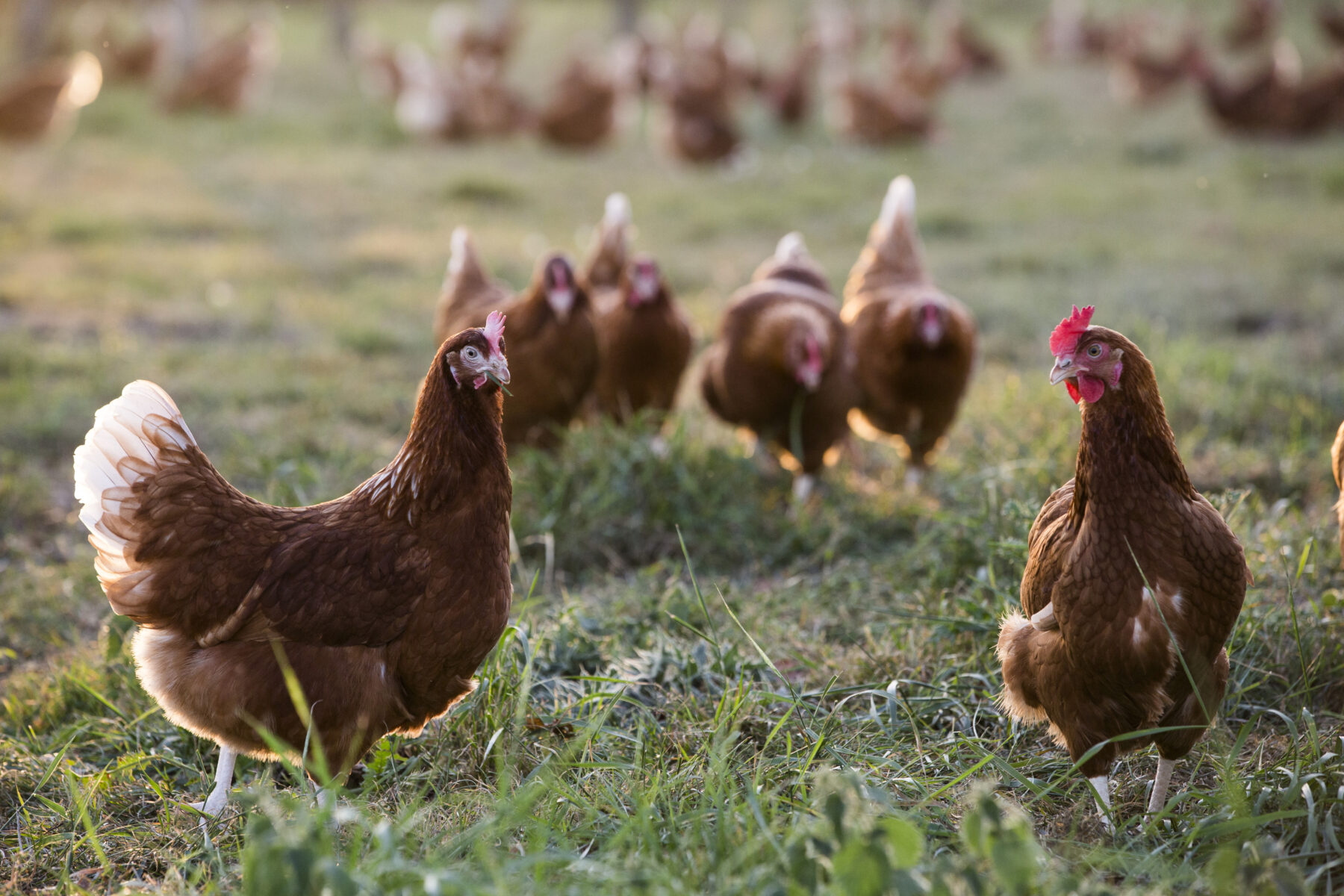
Animal welfare as an institutional value centers on prioritizing humane treatment of animals within the food system. Institutions increasingly recognize that their eating audiences—students, employees, patients, and consumers—are more aware of and concerned about animal welfare in industrial farming practices. In response, animal welfare is a value that some institutions want to build into their food procurement practices.
Certain animal welfare practices—such as free-range certifications, animal enclosure requirements, and sustainable fishing and seafood harvesting methods—can be prioritized in an institution’s purchasing decisions. Institutions often rely on third-party certifications or contractual requirements to ensure these practices are met.
Prioritizing animal welfare often aligns with other institutional goals. For example, research shows a connection between higher-welfare production methods and improved human health outcomes, such as reduced exposure to certain contaminants, antibiotics, or environmental harms associated with conventional industrial livestock systems.
By directing purchasing dollars toward producers who employ humane practices, institutions not only respond to consumer preferences but also help shift broader market norms. Increased demand encourages more producers to adopt welfare-friendly practices, gradually transforming standards across the food system.[1]
Climate and Sustainability
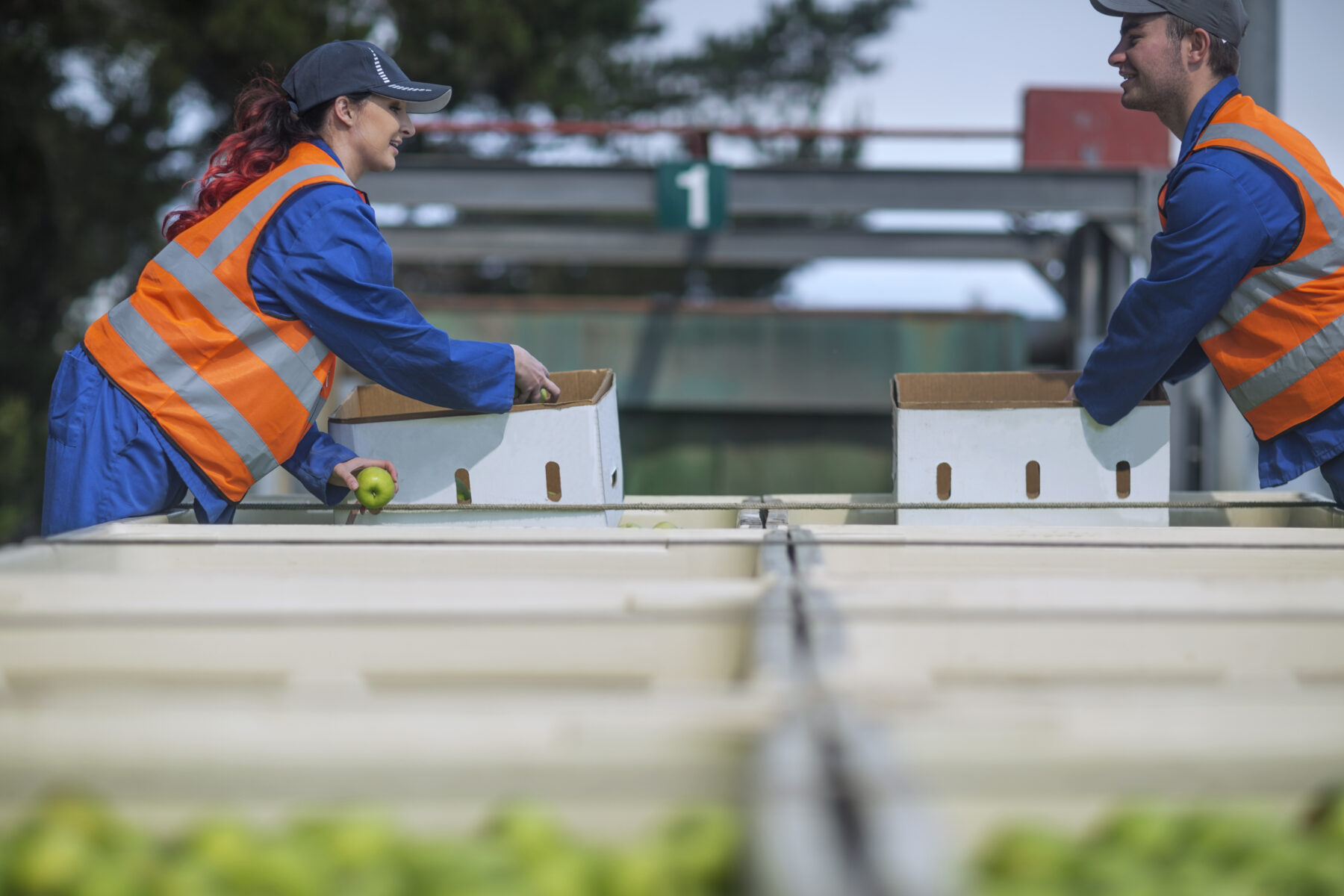
This value encompasses a broad set of climate-related considerations. Global food production generates roughly 17 billion metric tons of emissions annually.[2] U.S. agriculture accounts for about 10% of national emissions, with agricultural soil management constituting over half of that share.[3]
Procurement decisions that shift demand toward climate-smart practices can reduce these emissions and the resulting impacts of climate change.
One aspect of this value is supporting regenerative agriculture: a suite of practices rooted in Indigenous land stewardship that prioritize soil health, biodiversity, water retention, and carbon sequestration. Methods like agroforestry, cover cropping, composting, managed grazing, and reduced pesticide and fossil-fuel use help rebuild ecological resilience and mitigate climate change. Through purchasing power and procurement programs, institutions can choose to support producers that utilize regenerative and climate-smart agricultural practices and partner with businesses, nonprofits, and food hubs that promote and invest in these practices.
Institutions can advance climate and sustainability values by reducing food miles (the distance food travels from the point of production to consumption) through local purchasing, thereby lowering fossil-fuel use associated with long-distance transportation. Similarly, because livestock production contributes over a quarter of agricultural greenhouse gas emissions[4], emphasizing plant-forward menus provides lower carbon-footprint options.
Reducing food waste is another sustainability strategy. Food loss accounts for roughly one-third of food intended for consumption and generates 170 million metric tons of CO₂-equivalent emissions in the U.S. each year.[5] Procurement can help address this by purchasing surplus or “imperfect” products, supporting food recovery, and working with producers to minimize waste along the supply chain.
Incorporating sustainability into institutional procurement allows institutions to reduce environmental footprints, support climate-resilient agricultural systems, and model environmentally responsible practices across their communities.
Diversity, Equity, and Inclusion (DEI)
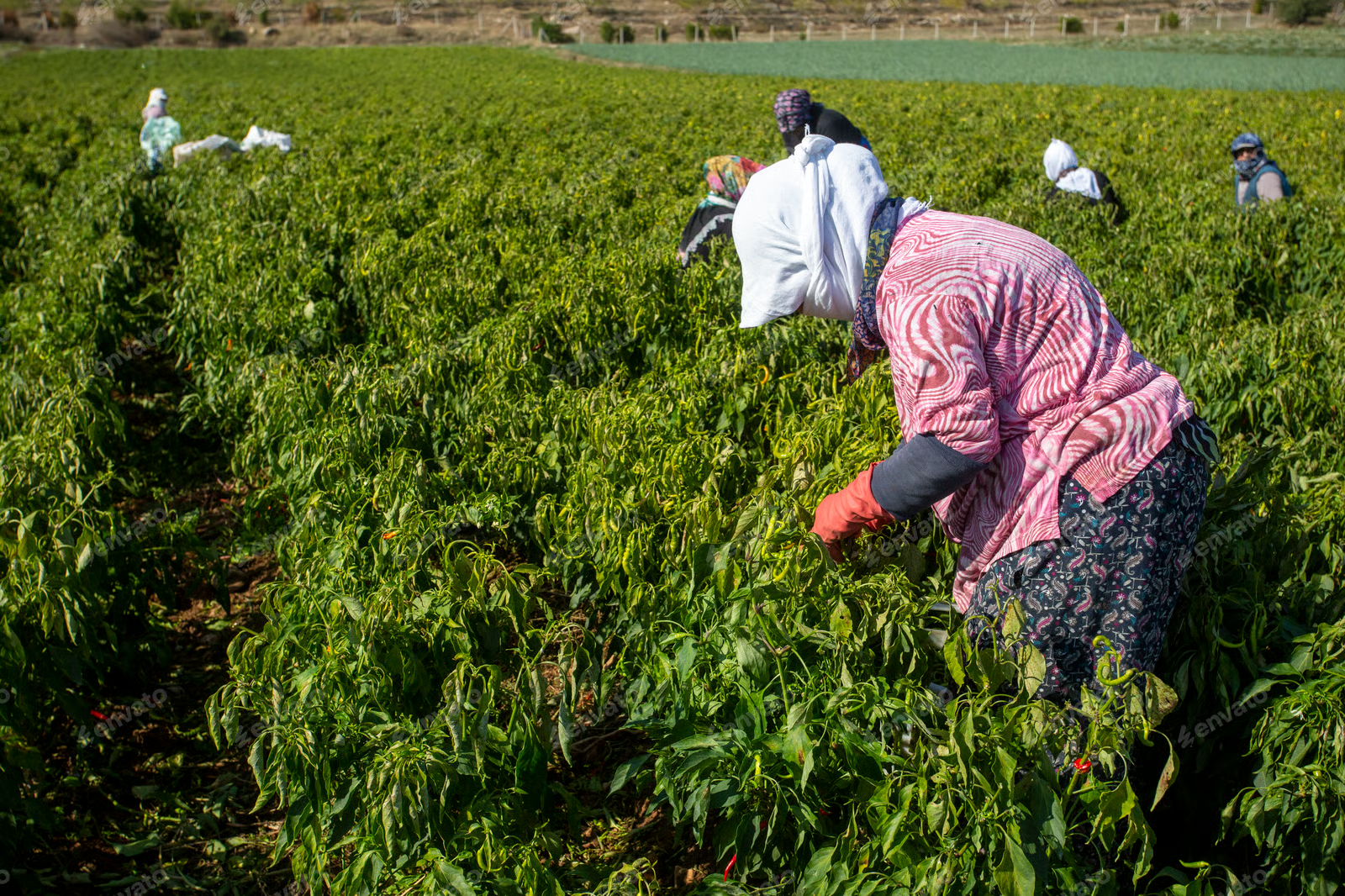
Diversity, Equity, and Inclusion (DEI) as a food procurement value focuses on addressing long-standing inequities in the U.S. food and agriculture system while strengthening community resilience and economic opportunity. Historically, structural racism, discriminatory lending, land loss, and exclusionary agricultural policies have disproportionately harmed farmers of color. During much of the 20th century, farmers of color, especially Black farmers, lost massive amounts of land and economic opportunity, while white farmers’ landholdings increased. These inequities persist today, with minority-owned farms tending to be smaller, less profitable, and facing greater barriers to land access, financing, and mechanization.[6]
Values-based purchasing allows institutions to counteract these inequities by directing purchasing power toward BIPOC, women, LGBTQ+, beginning, and veteran producers, as well as food hubs and partners that center equity. Organizations like The Common Market exemplify this approach by supporting small, underrepresented farmers and creating resilient local supply chains.[7]
DEI in procurement extends beyond farming. It includes building diverse supplier networks, partnering with underrepresented stakeholders across the supply chain, and increasing representation in food service leadership. Despite the food industry’s long-standing diversity, this has not been reflected in its executive leadership and other leadership positions. Institutions can use procurement criteria, contracting decisions, and vendor partnerships to intentionally diversify participation and expand opportunities.
Values-based purchasing provides the opportunity for institutions to center DEI in their food procurement process—from producers to food hubs, partners to procurement professionals, dining teams to executive leadership—and promote a more equitable and resilient food system.
Environmental, Social, and Governance (ESG) & Corporate Social Responsibility (CSR)

Environmental, Social, and Governance (ESG) and Corporate Social Responsibility (CSR) are institutional value frameworks that guide how organizations demonstrate accountability, sustainability, and ethical stewardship—both internally and to the public. While many ESG/CSR commitments overlap with other values (such as climate, DEI, and local economic investment), they form their own distinct category because of their growing importance in corporate governance, investor expectations, and public credibility.
ESG provides quantitative, data-driven metrics used primarily by investors, regulators, and external stakeholders to assess a company’s non-financial performance. ESG frameworks measure issues like carbon emissions, waste management, biodiversity protection, fair labor practices, supply-chain transparency, executive compensation, anti-corruption policies, and diversity metrics. Values-based procurement can help institutions meet these benchmarks—for example, by reducing food miles to lower GHG emissions or ensuring suppliers use responsible labor and sustainability practices.
CSR, by contrast, is a qualitative, mission-driven framework focused on how institutions articulate and act on their social and ethical commitments. CSR initiatives aim to shape institutional culture, signal community responsibility, and integrate values into internal practices. Procurement plays a central role: institutions can demonstrate CSR by prioritizing regenerative agriculture, supporting local producers, partnering with diverse suppliers, or reducing their environmental footprint through purchasing choices.[8]
Values-based purchasing can further institutions’ ESG and CSR commitments by providing strategic and accountable incorporation of values in food procurement processes and practices.
Food Safety
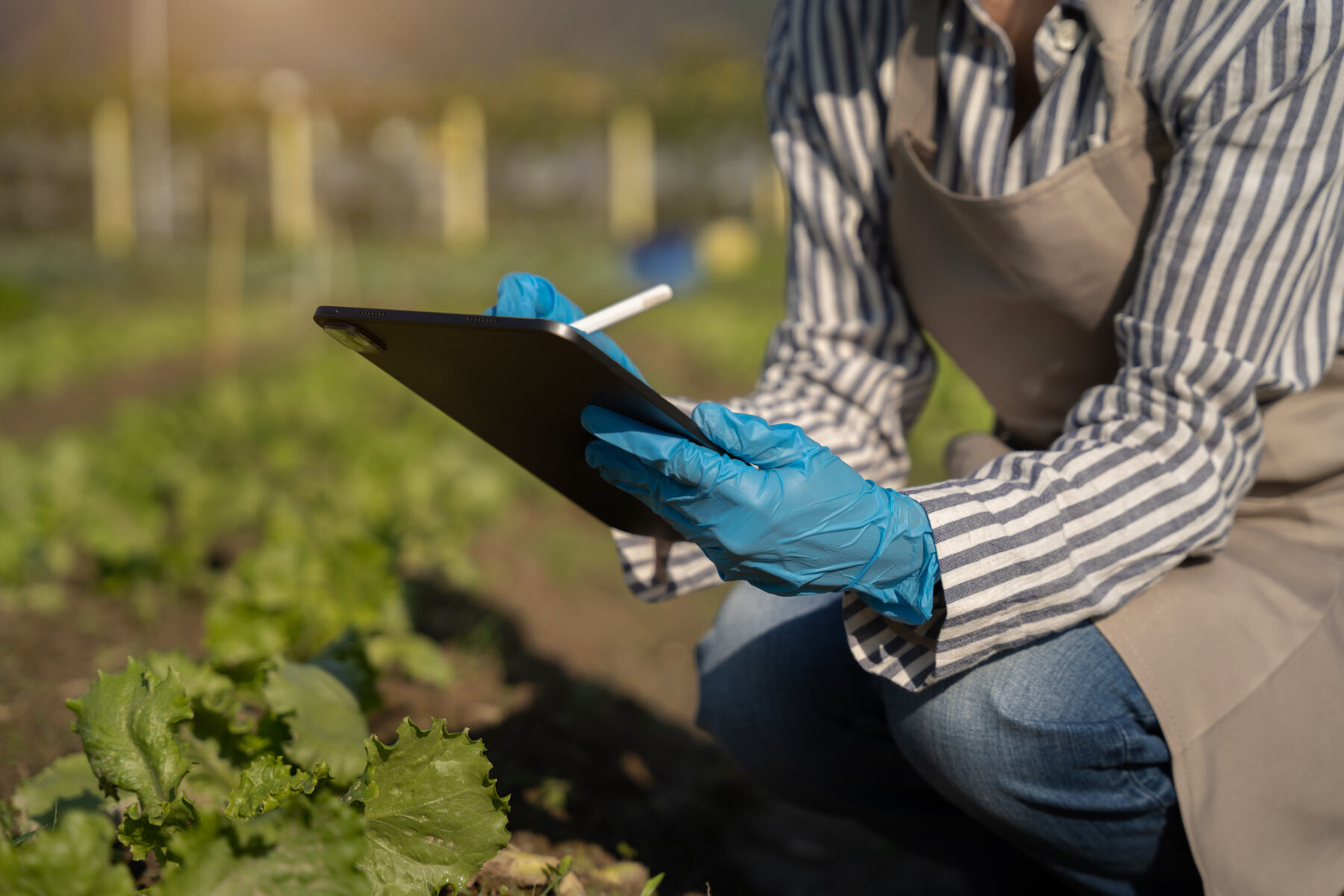
Food safety is a foundational value in any food system and an essential component of institutional procurement. It encompasses “the conditions and practices that preserve the quality of food to prevent contamination and food-borne illnesses.” Food Safety is critical to protecting public health, sustaining community trust, and maintaining the economic vitality of the food system.[9] While institutions must comply with federal food safety regulations—such as the Food Safety Modernization Act (FSMA), which authorizes the FDA to establish preventive measures for reducing foodborne illness—values-based purchasing offers an opportunity to embed proactive food safety risk mitigation throughout the procurement process.[10]
Institutions can incorporate food safety into values-based procurement through food purchasing guidelines, vendor selection processes, and purchasing commitments. A common mechanism for mitigating food safety risk is requiring external verification, such as Good Agricultural Practices (GAP) audits. GAP audits, administered by the USDA, evaluate production, packaging, handling, and storage practices for fruits and vegetables to minimize microbial hazards and confirm adherence to industry standards.[11] Institutions, either through their own contracts or through food service contracts, require GAP certification from all vendors.
Because values-based purchasing often expands market access for new, small, or diverse producers, institutions may need to find ways to facilitate connections to food safety education and training to support compliance, certifications, and long-term success. Integrating these safeguards ensures that institutions maintain high standards of quality and safety while advancing broader values-based procurement goals.
Health & Nutrition
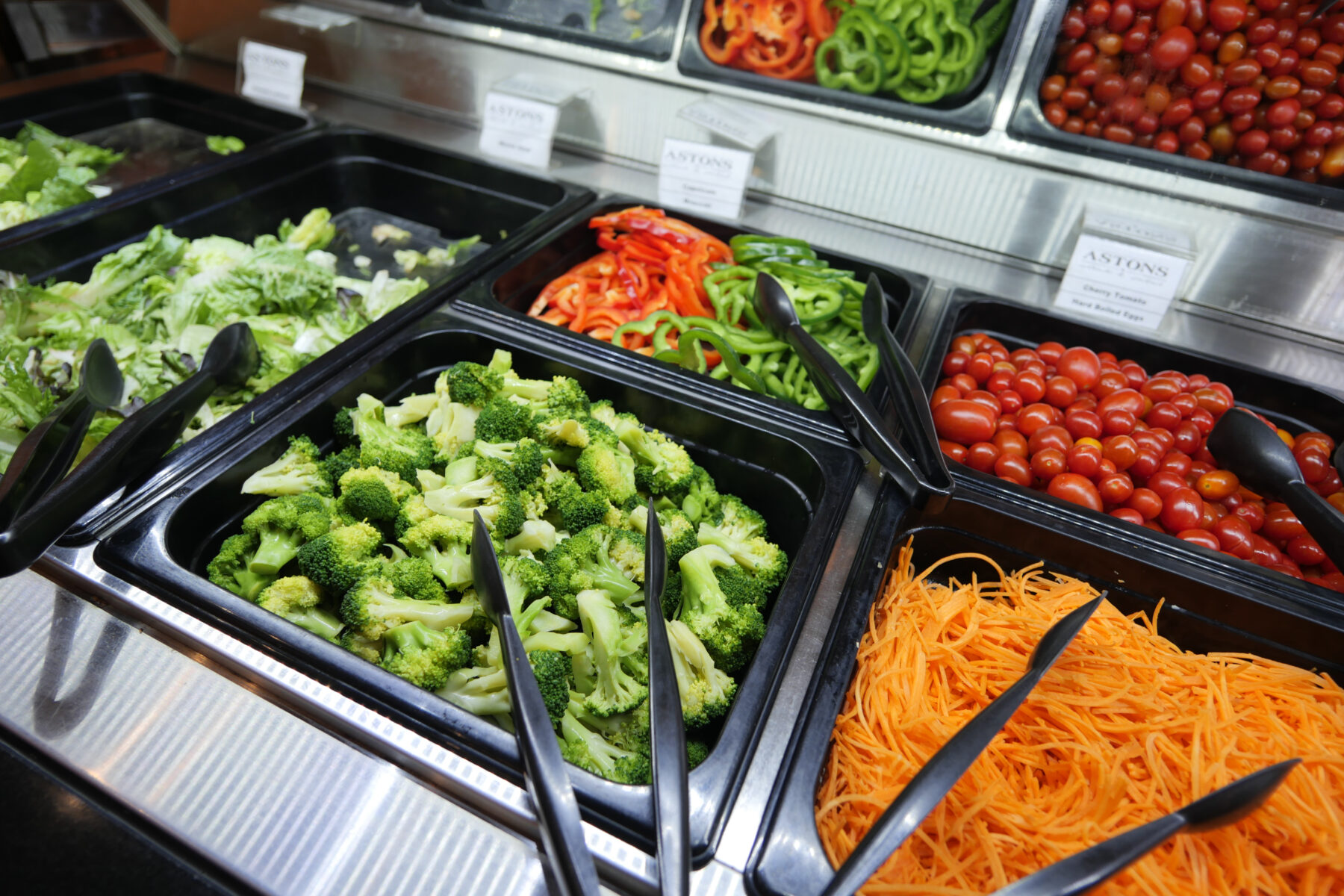
Health & nutrition are core values in food systems, especially for institutions providing or selling food. Values-based procurement enables institutions to prioritize food that maximizes nutritional quality, supports physical and mental well-being, and reflects the preferences of their eating audiences.
Shorter and more transparent supply chains—often associated with local and regional purchasing—can enhance nutritional value by reducing the time between harvest and consumption. Fresher food generally undergoes fewer handling steps, decreasing opportunities for contamination and allowing for fuller flavor development and natural ripening. Small and midsize farms also tend to use fewer synthetic pesticides and fertilizers than large-scale conventional operations, further aligning with health-focused procurement goals.[12]
The value extends beyond physical health. The growing field of nutritional psychiatry highlights connections between diet quality and mental health outcomes. Nutrient-dense foods such as fruits, vegetables, beans, nuts, and whole foods are associated with improved mental well-being.[13] Surveys of college students similarly show that food quality, freshness, local ingredients, and fewer ultra-processed foods play an important role in their overall sense of wellness on campus. In workplace settings, nutritious food offerings also contribute to employee well-being and community connection.[14]
By integrating health and nutrition priorities into procurement decisions, institutions can increase whole-food and produce offerings, decrease reliance on ultra-processed options, and partner with producers who align with these goals. Values-based procurement ultimately strengthens institutional well-being strategies while improving the quality and nutritional impact of food served across campuses, workplaces, healthcare facilities, and public programs.
Land Conservation & Preservation

Land conservation & preservation focuses on protecting agricultural land from rapid development and fragmentation, an increasingly urgent challenge across the United States. Farmland is being lost at alarming rates: between 2001 and 2016, approximately 11 million acres were converted or fragmented, threatening agricultural viability, environmental health, and the stability of local and regional food systems.[15] This loss is especially pronounced in fast-growing regions such as the Southeast, where population growth and urban expansion put additional pressure on remaining farmland.
Land conservation is essential to sustaining community food supplies, supporting local economies, and safeguarding environmental benefits such as clean air, clean water, carbon sequestration, and biodiversity. As farmland disappears, so do opportunities for new and diverse producers to enter and remain in agriculture—further narrowing supply chains and weakening regional resilience.
Values-based purchasing allows institutions to support land conservation by directing purchasing power toward producers, hubs, and programs that actively protect and steward agricultural land. Organizations such as The Conservation Fund and its Farms Fund program identify critical farmland for protection, help transition land to new producers, and provide technical and supply-chain support—including connections to institutional purchasers.[16] By partnering with, and purchasing from vendors working with such programs, institutions strengthen markets for farmers operating on conserved land and contribute to long-term regional food security.
Local Economic Investment

Many institutions have policies, commitments, and pledges to invest in their local economies and communities. Consistent, local investment through contracts can result in job growth, higher-quality jobs, and increased prosperity in communities.[17] Local investment can also increase goodwill toward the institution and foster new strategic partnerships.[18] As social impact assessments and corporate citizenship gain traction in public discourse, institutional follow-through and accountability are vital.
Through its food purchasing decisions, an institution can direct its purchasing dollars to local food producers and food hubs rather than the large, remote, national and global conglomerates. By purchasing more locally grown products and building market demand for local and regional food systems, institutions may spur new jobs across the supply chain related to management, delivery, storage, and preparation. Demonstrating local economic investment through food purchasing also provides a metric to measure the institution’s impact and its relationship with the community.
Values-based purchasing provides a practical and effective way to demonstrate institutional commitment to local economic investment.
Resilience
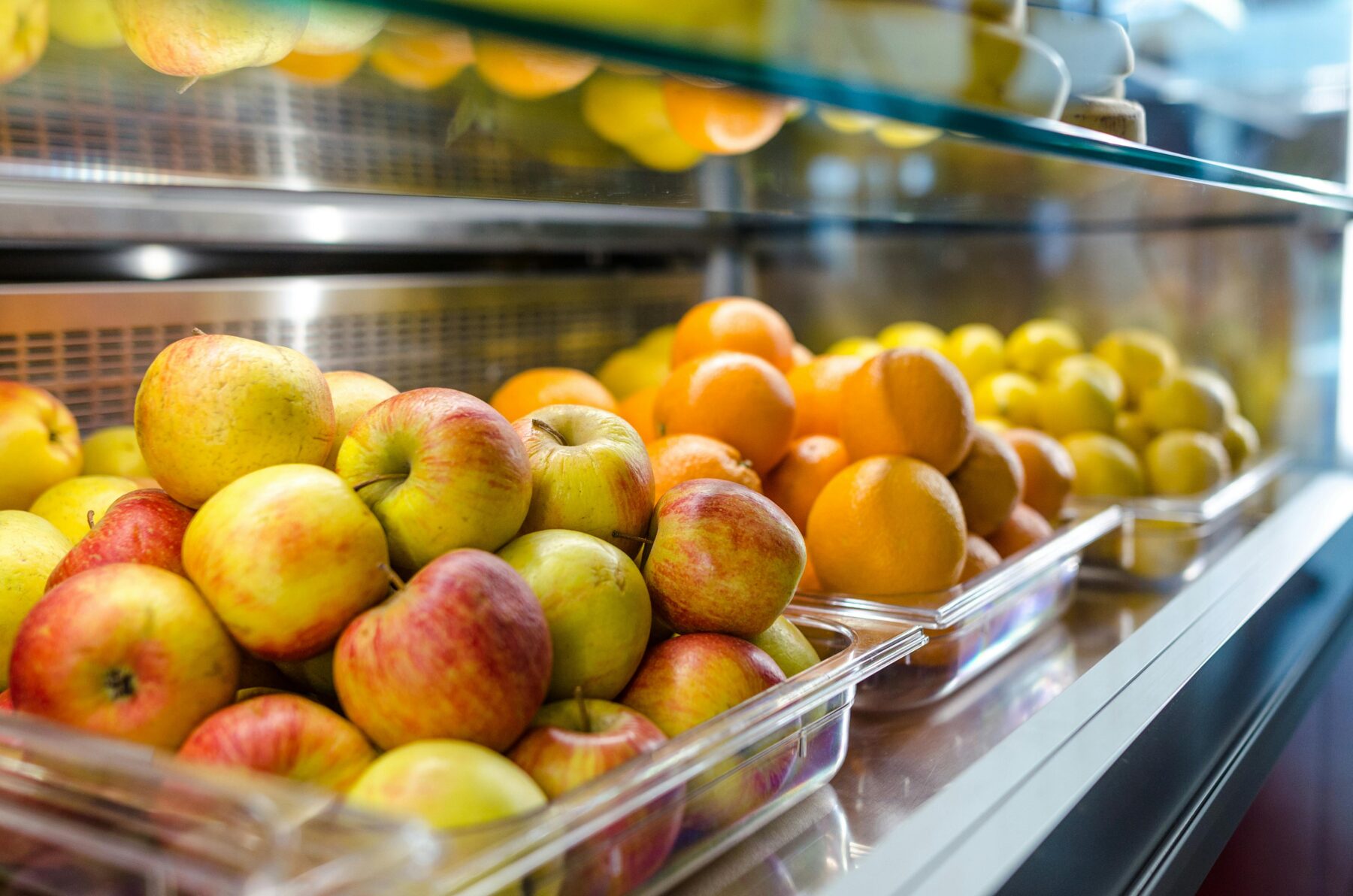
Resilience is a value receiving increased institutional attention, highlighted particularly by the stresses and challenges of the COVID-19 pandemic. In the context of values-based food purchasing, this value encompasses both institutional resilience and supply chain resilience.
Institutional resilience refers to an organization’s “capacity to deliver and enhance results over time, credibly, legitimately, and adaptively, as well as its ability to manage shocks and change.”[19] This capability can be fostered by leveraging sources of domestic resilience, adopting local values, building upon existing frameworks, and utilizing the institution’s social capital.
Supply chain resilience refers to a supply chain’s ability “to prepare for and adapt to unexpected events; to quickly adjust to sudden disruptive changes that negatively affect supply chain performance; to continue functioning during disruption and to recover quickly to its pre-disruption state or to a more desirable state.”[20]
Developing relationships and purchasing food from local and sustainable producers bolsters institutional resilience by reducing dependence on widespread supply chains that are more susceptible to global disruptions. These relationships and purchasing decisions often support new producers, which facilitates supply chain resilience by diversifying and expanding participation in the food system. Contributing to the ability to adapt and maintain performance despite disruptions, values-based procurement strengthens both institutional and supply chain resilience.
Developing relationships and purchasing food from local and sustainable producers bolsters institutional resilience by reducing dependence on widespread supply chains that are more susceptible to global disruptions. These relationships and purchasing decisions often support new producers, which facilitates supply chain resilience by diversifying and expanding participation in the food system. Contributing to the ability to adapt and maintain performance despite disruptions, values-based procurement strengthens both institutional and supply chain resilience.
Workers’ Rights & Welfare
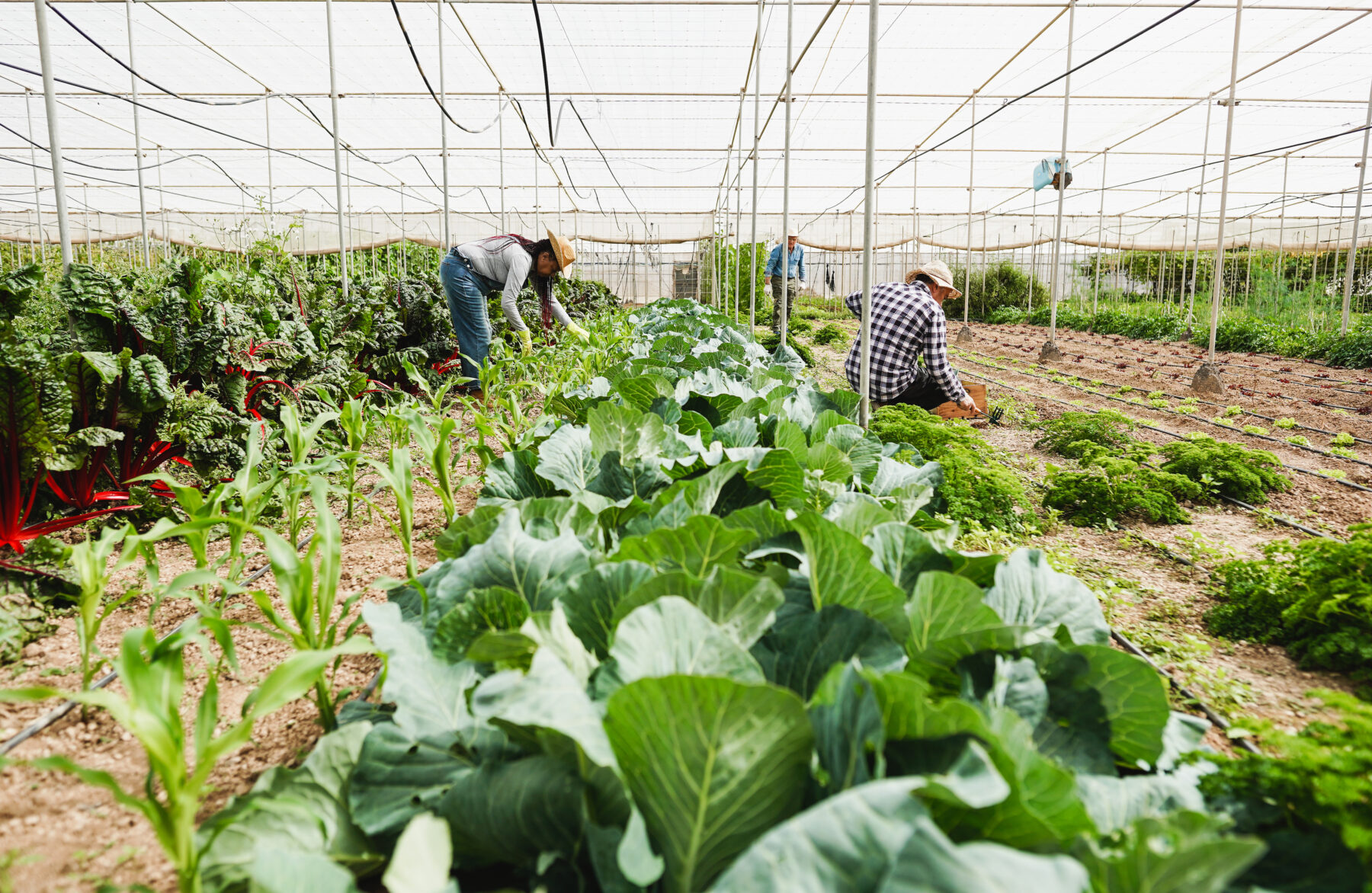
Farming and agriculture have a history of worker exploitation and these industries continue to need significant improvement in worker protections, industry oversight, and accountability. Values-based procurement provides an institution the opportunity to engage more deeply in uplifting workers’ rights and welfare through its purchasing power and actions. Institutions can require and prioritize farming enterprises with fair wages, safe working conditions, and employee protections. By requiring these practices, institutions can leverage their purchasing power as a market influence for farming and agriculture standards and practices. Through values-based purchasing, institutions can divest from suppliers and partners with practices that fail to protect workers while also demanding suppliers and partners continue to prioritize workers and create working environments and conditions that support worker flourishing and advancement. [21]
Research & Teaching

For education institutions, research and teaching may be an important standalone value to recognize and advance through values-based procurement. Institutional engagement and investment in values-based food purchasing provides a range of potential for research and teaching in environmental science, business, engineering, law, medicine, public health, and social sciences.[22] Research and teaching opportunities may take the form of undergraduate and graduate courses or programs, K-12 education curricula and experiential learning, education and professional development opportunities for employees, grant-funded research, interdisciplinary committees, experiential and in-practice learning (institution-run gardens and farms), and innovation hubs. Because research and teaching may be a priority for many departments in an institution, there could be opportunities to blend funding streams to support values-based purchasing efforts.
Footnotes
[1] See Marta Alonso et al., Consumers’ Concerns and Perceptions of Farm Animal Welfare, Animals (Basel) 385 (Feb. 2020), https://www.ncbi.nlm.nih.gov/pmc/articles/PMC7143148/; Melissa Thibault et al., Why Are They Buying It?: United States Consumers’ Intentional When Purchasing Meat, Eggs and Dairy with Welfare-related Labels, Food Ethics (2022), https://link.springer.com/article/10.1007/s41055-022-00105-3.
[2] Xiaoming Xu et al., Global greenhouse gas emissions from animal-based foods are twice those of plant-based foods, Nature Food 724 (Sept. 2021), https://www.nature.com/articles/s43016-021-00358-x.
[3] Sources of Greenhouse Gas Emissions, EPA, https://www.epa.gov/ghgemissions/sources-greenhouse-gas-emissions#agriculture.
[4] Sources of Greenhouse Gas Emissions, EPA, https://www.epa.gov/ghgemissions/sources-greenhouse-gas-emissions#agriculture. Globally, livestock rearing produces 14.5% of greenhouse gas emissions. Using Global Emission Statistics is Distracting Us From Climate Change Solutions, UC Davis CLEAR Center, https://clear.ucdavis.edu/explainers/using-global-emission-statistics-distracting-us-climate-change-solutions.
[5] Jean Buzby, Food Waste and its Links to Greenhouse Gases and Climate Change, EPA (Jan. 24, 2022), https://www.usda.gov/media/blog/2022/01/24/food-waste-and-its-links-greenhouse-gases-and-climate-change.
[6] April Simpson, Black Farmers and Ranchers, It’s a Dying Deal., Center for Public Integrity (Oct. 3, 2023) https://publicintegrity.org/inequality-poverty-opportunity/the-heist/black-farmers-ranchers-dying-deal/; Racial Equity in U.S. Farming: Background in Brief, Congressional Research Service 2 (Nov. 19, 2021), https://crsreports.congress.gov/product/pdf/R/R46969.
[7] The Common Market 2022 Report, The Common Market (2022), https://www.thecommonmarket.org/assets/uploads/reports/CM_Annual-Report-2022-final-compressed.pdf.
[8] See Jong Gyu Park et al., Characterization of CSR, ESG, and Corporate Citizenship through a Text Mining-Based Review of Literature, Sustainability (2023), https://www.mdpi.com/2071-1050/15/5/3892.
[9] What Does Food Safety Mean?, USDA, https://ask.usda.gov/s/article/What-does-food-safety-mean.
[10] What is the Food Safety Modernization Act (FSMA)?, National Sustainable Agriculture Coalition, https://sustainableagriculture.net/fsma/overview-and-background/.
[11] Good Agricultural Practices (GAP) Audits, USDA, https://www.ams.usda.gov/services/auditing/gap-ghp.
[12] Health Benefits of Eating Locally, UNH Extension, https://extension.unh.edu/blog/2022/05/health-benefits-eating-locally.
[13] See Anahad O’Connor, How Food May Improve Your Mood, New York Times (Dec. 21, 2021), https://www.nytimes.com/2021/05/06/well/eat/mental-health-food.html; Redzo Mujcic & Andrew Oswald, Evolution of Well-Being and Happiness After Increases in Consumption of Fruit and Vegetables, Am. J. Public Health 1504 (2016), https://www.ncbi.nlm.nih.gov/pmc/articles/PMC4940663/; Felice N. Jacka et al., A Randomised Controlled Trial of Dietary Improvements for Adults with Major Depression (the ‘SMILES’ trial), 15(1) BMC Med. (2017), https://pubmed.ncbi.nlm.nih.gov/28137247/.
[14] A Key Component of Corporate Wellness Programs: Food Wellness, Corporate Wellness Magazine, https://www.corporatewellnessmagazine.com/article/key-component-corporate-wellness-programs-food-wellness; Alan Kohil, Nutrition: the Missing Piece of the Corporate Wellness Puzzle, Forbes (July 17, 2019), https://www.forbes.com/sites/alankohll/2019/07/17/nutrition-the-missing-piece-of-the-corporate-wellness-puzzle/?sh=333bfbc83f50.
[15] Farms Under Threat: The State of the States, American Farmland Trust (2020), https://csp-fut.appspot.com/.
[16] About Us, The Conservation Fund, https://www.conservationfund.org/about-us; Farms Fund, The Conservation Fund, https://www.conservationfund.org/our-work/working-farms-fund.
[17] See Investing in Communities and Workers, U.S. Department of Commerce, https://www.commerce.gov/issues/investing-communities-and-workers.
[18] Give to Get: 5 Ways Community Investment Benefits Business, Green Standards, https://greenstandards.com/5-ways-community-investment-benefits-business/; see Rachel Dekker, 5 Key Resources for Effective Investment in Communities, Embedding Project, https://embeddingproject.org/blog/five-key-resources-for-effective-investment-in-communities/.
[19] Catherine Anderson & Marc De Tollenaere, Supporting Institutional Resilience, Organization for Economic Cooperation and Development (2020), https://www.oecd.org/content/dam/oecd/en/publications/reports/2020/12/development-co-operation-report-2020_f095d2a7/f6d42aa5-en.pdf.
[20] Elefthierios Iakovou & Chelsea C. White III, How to Build More Secure, Resilient, Next-gen U.S. Supply Chains, Brookings (Dec. 3, 2020), https://www.brookings.edu/techstream/how-to-build-more-secure-resilient-next-gen-u-s-supply-chains/.
[21] Procuring Food Justice, https://procuringfoodjustice.org/#introduction.
[22] See, e.g., Stanford Food Institute, Stanford Residential & Dining Enterprise, https://rde.stanford.edu/stanford-food-institute; Carol Clark, NSF Funds Holistic Approach to Help Farmers Adapt to Climate Change, Emory University (Oct. 23, 2023), https://news.emory.edu/stories/2023/10/esc_nsf_farmers_adapt_22-10-2023/story.html; Residential Initiative on the Study of the Environment, Michigan State University, https://rise.natsci.msu.edu/; School of Earth & Sustainability: Food Systems & Security, University of Massachusetts Amherst, https://www.umass.edu/ses/research/areas-excellence/food-systems-security.